
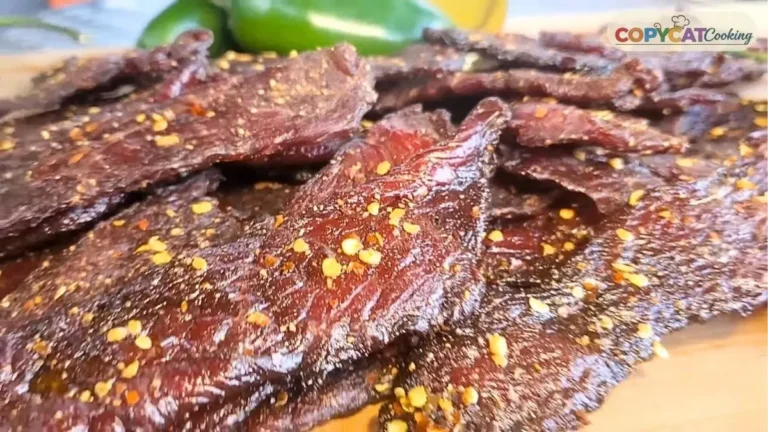

What is Mingua Beef Jerky and How Does It Taste?
Mingua beef jerky is a beloved Kentucky specialty known for its distinctive sweet-and-spicy flavor profile that sets it apart from typical beef jerky. This cajun beef jerky features a perfect harmony of honey and brown sugar sweetness balanced with bold heat from jalapeños and hot sauce, all enhanced by savory umami notes from liquid aminos and Worcestershire sauce.
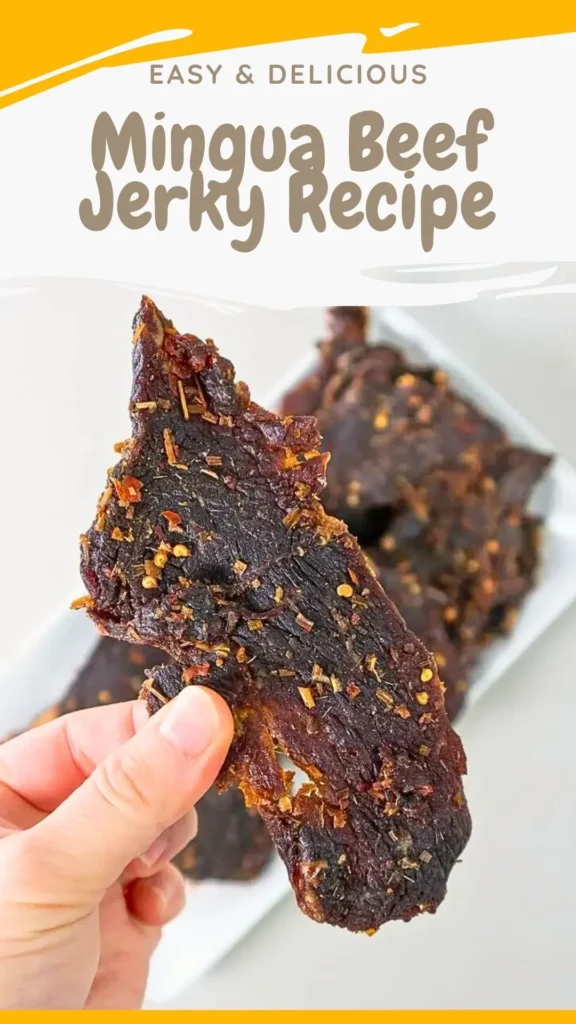
The texture is tender yet chewy-not overly dry-with a slightly sticky exterior from the honey-based marinade. Each bite delivers layers of flavor: initial sweetness, followed by garlic and onion depth, finishing with a pleasant spicy kick.
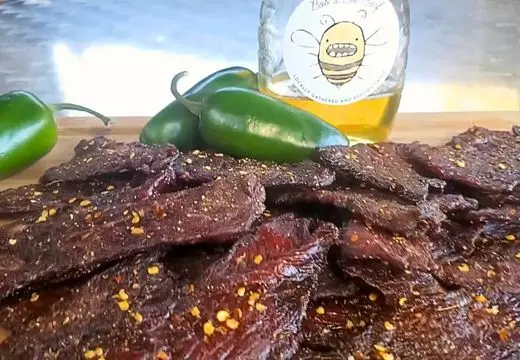
The optional honey rub and red pepper flakes add extra dimension, creating caramelized sweet spots with bursts of heat. It’s this complex flavor combination that makes this cajun jerky recipe so crave-worthy.
Mingua Beef Jerky Recipe Ingredients
Marinade Ingredients:
- ¼ cup pineapple juice
- ½ cup honey
- ½ cup liquid aminos (or low-sodium soy sauce)
- 3 tablespoons jalapeño hot sauce (or your favorite hot sauce)
- 2 tablespoons Worcestershire sauce
- 2 tablespoons brown sugar
- 1 tablespoon garlic powder
- 1 tablespoon onion powder
- 1 tablespoon freshly ground black pepper
- 1 fresh jalapeño, sliced into rings (seeds left in for extra heat)
- 2-3 pounds beef (top round, bottom round, or eye of round), sliced thin
Optional Finishing Seasoning:
- What’s the Buzz Honey Rub (or any sweet BBQ rub with honey)
- Crushed red pepper flakes
Kitchen Utensils:
- Large mixing bowl or gallon-size zip-top bags
- Whisk
- Sharp knife or meat slicer
- Paper towels
- Smoker or food dehydrator
- Jerky racks or dehydrator trays
- Cooking spray (Pam)
- Vacuum tumbler (optional, for faster marinating)
Preparation and Cooking Time
Prep Time: 20 minutes
Marinating Time: 6-24 hours (or 30-45 minutes with vacuum tumbler)
Drying/Smoking Time: 3.5-4 hours
Total Time: 10-28 hours (depending on marinating method)
Servings: Approximately 1-1.5 pounds finished jerky (about 12-16 servings)
Copycat Mingua Beef Jerky Recipe
Step 1: Prepare the Marinade
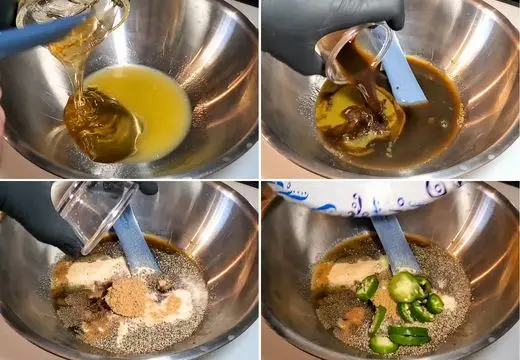
In a large mixing bowl or gallon zip-top bag, combine the pineapple juice, honey, liquid aminos, jalapeño hot sauce, Worcestershire sauce, and brown sugar. Whisk vigorously until the honey and brown sugar completely dissolve into the liquid. Add the garlic powder, onion powder, black pepper, and sliced fresh jalapeño rings. Mix thoroughly to create a unified marinade base for your mingua beef jerky.
Step 2: Add the Beef
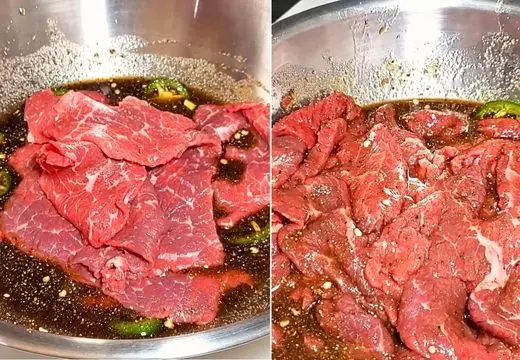
Place your thinly sliced beef strips into the marinade. Toss and massage the meat thoroughly, ensuring every single piece is completely coated with the sweet and spicy mixture. Don’t worry if you have varying sizes-larger strips and smaller pieces will all absorb the flavors beautifully, giving your cajun beef jerky recipe character and variety.
Step 3: Marinate the Meat
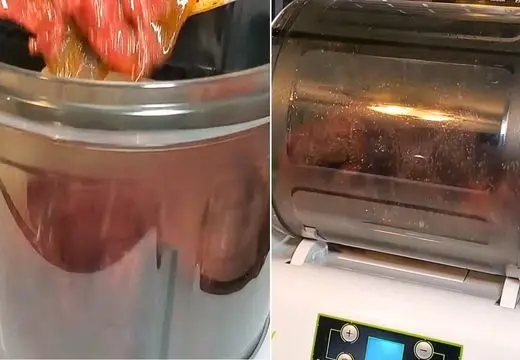
Choose your marinating method. For the fast track, use a vacuum tumbler and process under vacuum for 30-45 minutes, which accelerates flavor penetration. For the traditional approach that many jerky enthusiasts prefer, seal the bag and refrigerate for a minimum of 6 hours, though overnight marination (12-24 hours) yields deeper, more developed flavors. Flip or massage the bag 2-3 times during marination to ensure even distribution of the beef jerky marinade.
Step 4: Prep for Drying
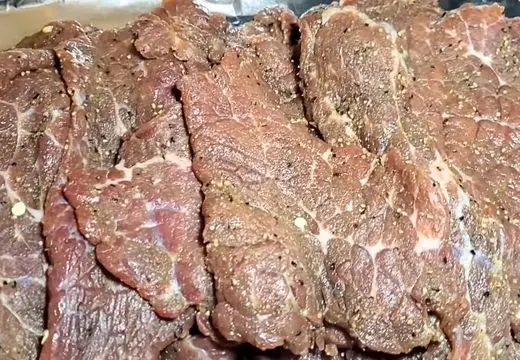
Remove the marinated beef strips from the bag and lay them on a clean work surface. Pat each piece thoroughly dry with paper towels-this crucial step removes excess marinade that would otherwise extend drying time significantly. The drier the surface, the better your jerky will develop that proper chewy texture.
Step 5: Season the Jerky (Optional)
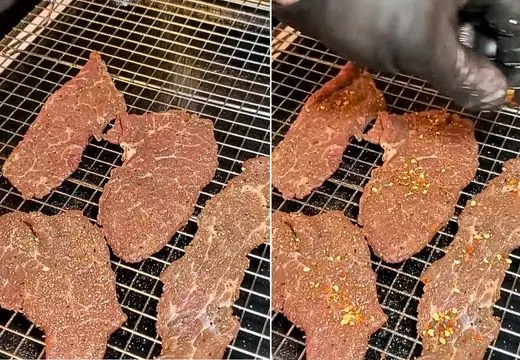
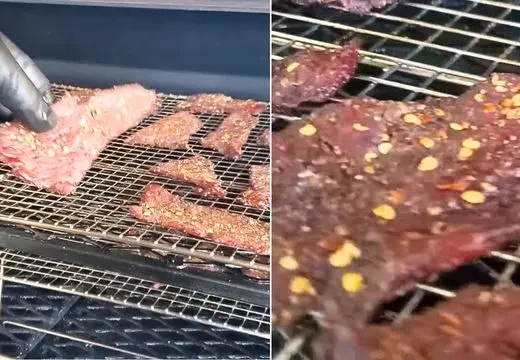
Lightly spray your jerky racks, smoker grates, or dehydrator trays with cooking spray to prevent sticking. Arrange the beef strips in a single layer without overlapping-air circulation is key for even drying. For that authentic copycat mingua beef jerky experience, lightly dust one side of each strip with honey rub and add a sparse sprinkle of crushed red pepper flakes for extra pop.
Step 6: Dry or Smoke
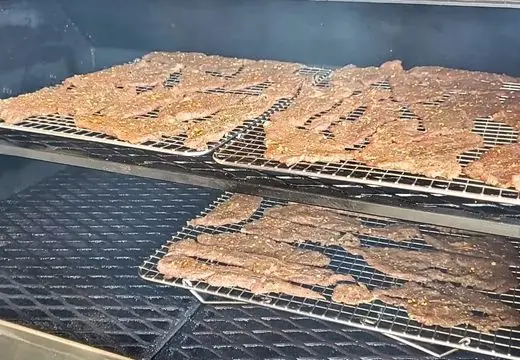
Set your smoker to 180°F using fruitwood chips (apple, cherry, or a blend like Lumberjack Supreme Blend work beautifully), or set your food dehydrator to 165-180°F. Load the seasoned beef strips and begin the drying process. After 1 hour, check progress and rotate racks from bottom to top for even heat exposure. Repeat rack rotation after 2 hours. At the 3-hour mark, begin testing for doneness.
Step 7: Test for Perfect Texture
Your cajun jerky recipe is ready when a piece bends and cracks or splits on the surface but doesn’t snap completely in half. The center should remain slightly pliable, not brittle. Total time typically runs 3.5-4 hours, but thickness, humidity, and equipment variations affect timing, so trust the bend test over the clock.
Step 8: Cool and Store
Remove finished jerky from the smoker or dehydrator and let it cool completely on the racks-this allows the texture to firm up properly. Once cooled, store in zip-top bags or vacuum-seal for maximum freshness. Your homemade mingua beef jerky recipe creation is now ready to enjoy.
Customization and Pairing Ideas for Serving
1. Deer Jerky Variation: Transform this into a phenomenal cajun deer jerky recipe by substituting venison for beef. Use the same marinade ratios, but note that venison’s leaner composition may require slightly shorter drying times.
2. Spice Level Adjustments: Customize the heat intensity to match your preference. For mild jerky, reduce the jalapeño hot sauce to 1-2 tablespoons and remove seeds from the fresh jalapeño. For extra-hot beef jerky, add cayenne pepper to the marinade (1-2 teaspoons) and increase crushed red pepper flakes on the finishing side.
3. Sweet BBQ Twist: Emphasize the sweet side by increasing honey to ¾ cup and adding 2 tablespoons of molasses to the marinade. This creates a stickier, more caramelized exterior reminiscent of candied jerky.
4. Asian Fusion Blend: Add 1 tablespoon of sesame oil, 2 teaspoons of fresh ginger, and substitute the pineapple juice with orange juice for an Asian-inspired beef jerky recipe. Top finished pieces with toasted sesame seeds instead of red pepper flakes.
5. Teriyaki-Cajun Hybrid: Mix ¼ cup teriyaki sauce into your base marinade, reducing liquid aminos slightly to balance sodium levels. This creates an interesting East-meets-South fusion that works wonderfully in trail mix combinations with wasabi peas, dried pineapple chunks, and cashews for hiking or road trip snacking.
6. Maple Bourbon Enhancement: Replace the brown sugar with pure maple syrup and add 2 tablespoons of bourbon to the marinade for a sophisticated flavor profile. The maple’s complexity enhances the cajun beef jerky recipe with earthy sweetness while bourbon adds subtle oaky notes.
7. Cheese and Charcuterie Pairing: Present your finished mingua beef jerky as the star of a charcuterie board alongside pepper jack cheese, whole grain mustard, pickled okra, and cornichons. The jerky’s sweet-spicy profile cuts through rich cheeses while complementing tangy pickled vegetables.
Essential Tips for Perfect Beef Jerky
1. Slice Against the Grain for Tenderness: The single most important factor in jerky texture is how you slice your beef. Always cut perpendicular to the muscle fibers (against the grain) for tender, easy-to-chew jerky. Cutting with the grain creates tough, stringy pieces that are difficult to bite through.
2. Choose the Right Cut of Meat: Top round, bottom round, and eye of round are ideal for mingua beef jerky because they’re lean with minimal fat marbling. Fat doesn’t dry properly and can turn rancid, significantly reducing shelf life. Sirloin tip also works well.
3. Don’t Skip the Pat-Dry Step: After marinating, thoroughly patting your beef strips dry with paper towels is non-negotiable for this cajun jerky recipe. Excess marinade on the surface creates a barrier that dramatically extends drying time and can result in sticky, under-dried jerky that spoils quickly.
4. Maintain Consistent Temperature: Whether smoking or dehydrating your copycat mingua beef jerky, temperature consistency is crucial for food safety and quality. Keep your smoker or dehydrator between 165-180°F throughout the entire process. Temperatures below 160°F risk bacterial growth, while temperatures above 180°F can cause case hardening-where the exterior dries too quickly, trapping moisture inside.
5. Rotate Racks for Even Drying: Heat distribution varies in smokers and dehydrators, with racks closest to the heat source drying faster. Rotate your racks every hour-move bottom racks to the top, top to bottom, and shift front-to-back positions. This simple practice ensures all pieces of your beef jerky finish simultaneously with consistent texture.
6. Test Multiple Pieces for Doneness: Since thickness variations happen even with careful slicing, test 3-4 pieces from different racks when checking doneness. Properly dried cajun beef jerky recipe should bend and crack on the surface but not snap completely in half-think of the flexibility of a green tree branch.
Storage and Reheating Guidance
Store your finished beef jerky in zip-top bags with as much air removed as possible, or vacuum-seal for maximum freshness. Properly dried jerky keeps 1-2 weeks at room temperature, 2-3 months refrigerated, or up to 6 months frozen. No reheating needed-enjoy straight from storage at room temperature for best texture and flavor.
Mingua Beef Jerky Recipe
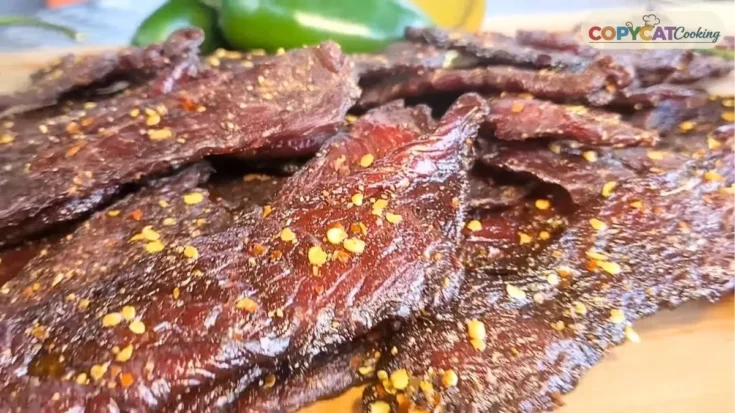
If you’ve ever tasted the legendary Kentucky-style mingua beef jerky recipe and wanted to recreate that bold, addictive flavor at home, this guide has you covered. Packed with the same energy and texture as the original, this mingua beef jerky, copycat mingua beef jerky, beef jerky recipe, and best homemade jerky method captures everything people love about the classic snack.
Ingredients
- ¼ cup pineapple juice
- ½ cup honey
- ½ cup liquid aminos, or low-sodium soy sauce
- 3 tablespoons jalapeño hot sauce, or your favorite hot sauce
- 2 tablespoons Worcestershire sauce
- 2 tablespoons brown sugar
- 1 tablespoon garlic powder
- 1 tablespoon onion powder
- 1 tablespoon freshly ground black pepper
- 1 fresh jalapeño, sliced into rings (seeds left in for extra heat)
- 2-3 pounds beef, top round, bottom round, or eye of round, sliced thin
- What’s the Buzz Honey Rub, or any sweet BBQ rub with honey
- Crushed red pepper flakes
Instructions
In a large mixing bowl or gallon zip-top bag, combine the pineapple juice, honey, liquid aminos, jalapeño hot sauce, Worcestershire sauce, and brown sugar. Whisk vigorously until the honey and brown sugar completely dissolve into the liquid. Add the garlic powder, onion powder, black pepper, and sliced fresh jalapeño rings. Mix thoroughly to create a unified marinade base for your mingua beef jerky.
Place your thinly sliced beef strips into the marinade. Toss and massage the meat thoroughly, ensuring every single piece is completely coated with the sweet and spicy mixture. Don’t worry if you have varying sizes-larger strips and smaller pieces will all absorb the flavors beautifully, giving your cajun beef jerky recipe character and variety.
Choose your marinating method. For the fast track, use a vacuum tumbler and process under vacuum for 30-45 minutes, which accelerates flavor penetration. For the traditional approach that many jerky enthusiasts prefer, seal the bag and refrigerate for a minimum of 6 hours, though overnight marination (12-24 hours) yields deeper, more developed flavors. Flip or massage the bag 2-3 times during marination to ensure even distribution of the beef jerky marinade.
Remove the marinated beef strips from the bag and lay them on a clean work surface. Pat each piece thoroughly dry with paper towels-this crucial step removes excess marinade that would otherwise extend drying time significantly. The drier the surface, the better your jerky will develop that proper chewy texture.
Lightly spray your jerky racks, smoker grates, or dehydrator trays with cooking spray to prevent sticking. Arrange the beef strips in a single layer without overlapping-air circulation is key for even drying. For that authentic copycat mingua beef jerky experience, lightly dust one side of each strip with honey rub and add a sparse sprinkle of crushed red pepper flakes for extra pop.
Set your smoker to 180°F using fruitwood chips (apple, cherry, or a blend like Lumberjack Supreme Blend work beautifully), or set your food dehydrator to 165-180°F. Load the seasoned beef strips and begin the drying process. After 1 hour, check progress and rotate racks from bottom to top for even heat exposure. Repeat rack rotation after 2 hours. At the 3-hour mark, begin testing for doneness.
Your cajun jerky recipe is ready when a piece bends and cracks or splits on the surface but doesn’t snap completely in half. The center should remain slightly pliable, not brittle. Total time typically runs 3.5-4 hours, but thickness, humidity, and equipment variations affect timing, so trust the bend test over the clock.
Remove finished jerky from the smoker or dehydrator and let it cool completely on the racks-this allows the texture to firm up properly. Once cooled, store in zip-top bags or vacuum-seal for maximum freshness. Your homemade mingua beef jerky recipe creation is now ready to enjoy.
Notes
Store your finished beef jerky in zip-top bags with as much air removed as possible, or vacuum-seal for maximum freshness. Properly dried jerky keeps 1-2 weeks at room temperature, 2-3 months refrigerated, or up to 6 months frozen. No reheating needed-enjoy straight from storage at room temperature for best texture and flavor.
Nutrition Information:
Yield:
12Serving Size:
1Amount Per Serving: Calories: 350Unsaturated Fat: 0g
Common Queries and FAQs
Q: Can I use this marinade for a cajun deer jerky recipe?
A: Absolutely! This mingua beef jerky recipe works perfectly with venison. The pineapple juice tenderizes game meat while the Cajun spices complement its flavor. Venison is typically leaner than beef, so watch drying times closely-it may finish 30-45 minutes earlier.
Q: What if I don’t have liquid aminos?
A: Low-sodium soy sauce is an excellent substitute with virtually identical results in your cajun beef jerky recipe. Coconut aminos work too but will be slightly less salty and umami-rich, so you may want to add a pinch of salt to compensate.
Q: How thin should I slice the beef for jerky?
A: Aim for ¼-inch thickness for this beef jerky recipe. Thinner slices (⅛-inch) create crispier, chip-like jerky that dries in 2-3 hours. Thicker slices (⅜-inch) yield chewier jerky but require 5-6 hours drying time. Consistency matters more than exact thickness.
Q: Can I make this copycat mingua beef jerky in a regular oven?
A: Yes, though results won’t be identical to smoked versions. Set your oven to its lowest temperature (ideally 170-180°F), prop the door open slightly with a wooden spoon for air circulation, and place beef strips on wire racks over baking sheets. Expect similar drying times but without the smoky flavor component.
Q: Do I have to use the optional finishing seasonings?
A: No, but they dramatically enhance the final product. The honey rub adds caramelized sweetness and textural interest, while red pepper flakes provide visual appeal and heat bursts. Even without them, the marinade alone creates delicious cajun jerky recipe results.
Q: How do I know if my beef jerky is safe to eat?
A: Properly dried mingua beef jerky should crack when bent but not snap completely, contain no visible moisture when pressed, and have been dried at 160-180°F for adequate time. If you’re concerned about safety, you can pre-heat beef strips in a 275°F oven for 10 minutes before marinating, or post-dry them in a 275°F oven for 10 minutes to ensure pathogen elimination.
Q: Why is my homemade jerky tough and hard to chew?
A: The most common cause is slicing with the grain instead of against it. Other culprits include over-drying (leaving it too long), using a cut of beef with heavy connective tissue, or not marinating long enough to allow the pineapple juice to tenderize the meat properly.
This mingua beef jerky recipe brings the iconic sweet-spicy flavors of Kentucky’s legendary jerky right to your home kitchen. With the perfect balance of honey sweetness, bold Cajun spices, and fiery jalapeño heat, you’ll create tender, flavorful strips that disappear fast.
Whether you’re smoking batches for game day, making a cajun deer jerky recipe with your hunting harvest, or simply craving that nostalgic copycat mingua beef jerky taste, this method delivers consistent, delicious results every time. Fire up your smoker or dehydrator and discover why homemade beef jerky beats store-bought every single time.
Drop a comment on the blog with your feedback-I can’t wait to hear what you think.
Be sure to follow CopyCat Cooking on Pinterest and YouTube for more delicious recipe inspiration. Your support and feedback mean everything to us!
Thanks for the recipe
welcome
This has the best enjoyable and flavorful jerky I’ve had in my life!!!