
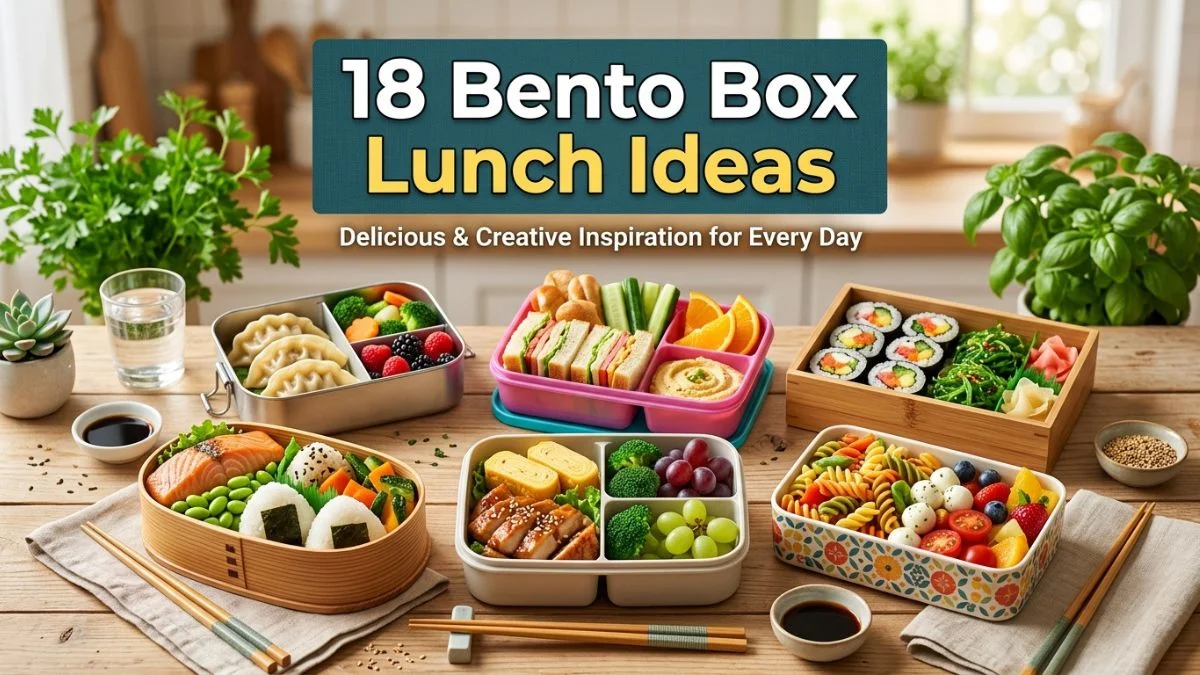
There’s a particular kind of joy in opening a well-packed lunch box. Maybe it’s the satisfaction of tiny compartments each holding their own little world of flavor, or the fact that a good bento turns an ordinary Tuesday lunch into something that feels intentional and cared-for.
Whatever the reason, bento boxes have become one of the most popular ways to pack lunch – for kids, for office workers, for anyone who’s tired of sad desk salads.
The word “bento” comes from Japan, where the tradition of packing a balanced, portioned meal in a compact box goes back centuries. But you don’t need to be a sushi chef or own a rice cooker shaped like a cat to make a great bento.
At its core, a bento is just a thoughtfully divided meal: some protein, some carbs, some vegetables, and usually a little something sweet or pickled to round things out.
In this guide, we’re covering 18 bento box lunch ideas – a mix of classic Japanese-style boxes, protein-forward options, Western and fusion twists, vegetarian and vegan builds, and a couple of kid-friendly ideas for the younger crowd.
Along the way, we’ll talk about practical tips for keeping your lunch safe, fresh, and actually enjoyable by the time you eat it.
Why Bento Boxes Work So Well for Lunch?
Before diving into the list, it’s worth understanding why the bento format is so effective, beyond just looking nice on Instagram.
Portion control happens naturally. Because the box has fixed compartments, you’re not tempted to pile on an extra scoop of rice or a second helping of pasta. The box size does the portioning for you.
Balance is built in. A proper bento typically follows something close to a 4:2:1 ratio – four parts carbohydrate (rice, noodles, bread), two parts protein, and one part vegetables or fruit. Following even a rough version of this ratio helps ensure you’re getting a mix of macronutrients rather than a carb-heavy or protein-heavy meal.
Variety keeps things interesting. Instead of one big flavor dominating the whole meal, a bento offers several small components, so you get contrast in taste and texture in every bite.
It travels well. Bento boxes are designed to be sealed, stacked, and carried, which makes them ideal for commuters, students, and anyone eating away from a kitchen.
With that framework in mind, let’s get into the ideas.
Japanese-Style Bento Box Lunch Ideas
These six ideas lean into traditional Japanese bento components – rice, pickles, and lightly seasoned proteins – and are a great starting point if you want an authentic feel.
1. Onigiri Bento
Onigiri, or rice balls, are one of the most iconic bento staples. Shape cooked short-grain rice into triangles or rounds, and fill the center with something salty and flavorful – salmon flakes or umeboshi (pickled plum) are classic choices.
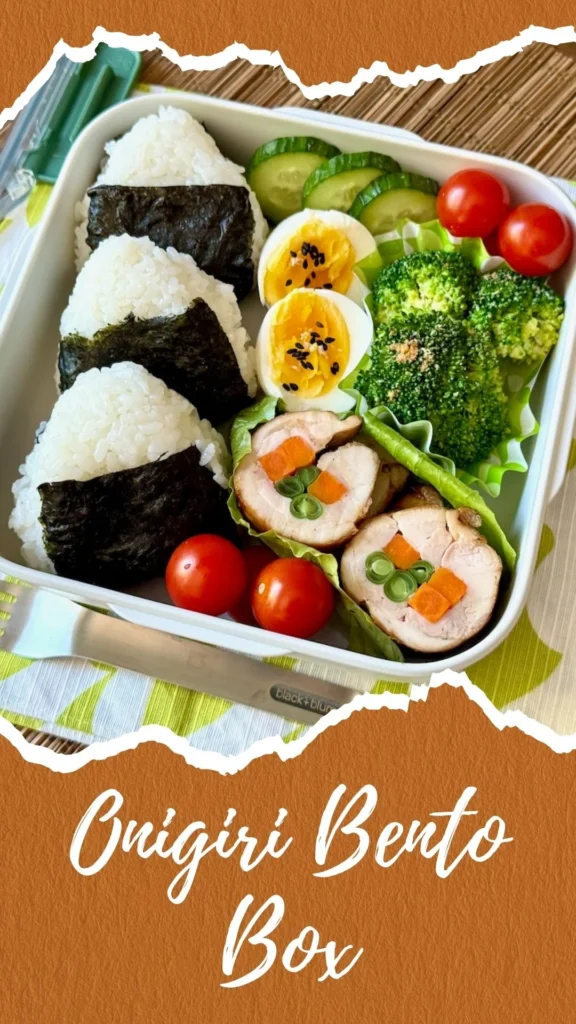
Wrap the bottom in a strip of nori seaweed so it stays crisp until you’re ready to eat.
Pair the onigiri with a rolled omelet (tamagoyaki), a few slices of pickled cucumber, and a small pile of edamame for protein and fiber.
This bento is easy to make ahead, since onigiri holds its shape well and doesn’t get soggy the way loose rice might.
2. Chicken Karaage Bento
Karaage is Japan’s version of fried chicken – bite-sized pieces of chicken thigh marinated in soy sauce, ginger, and garlic, then coated in potato starch and fried until crisp.
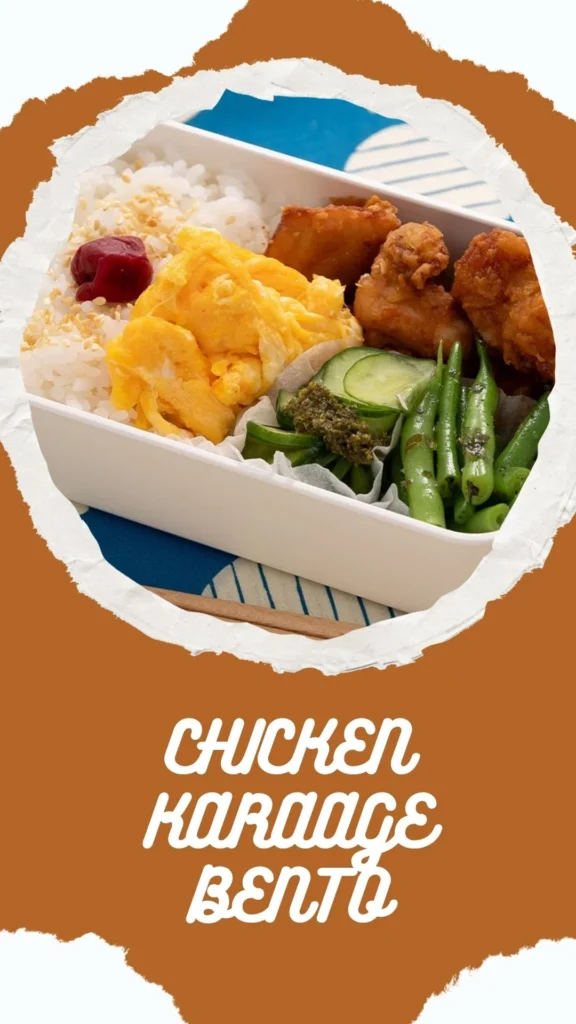
It’s rich and savory, which makes it a favorite even among people who’ve never tried Japanese cooking before.
Serve it over steamed rice with a side of shredded cabbage (a classic karaage pairing that helps cut the richness) and a few cherry tomatoes for color and a pop of acidity.
3. Teriyaki Chicken Bento
For something a bit lighter than fried chicken, teriyaki chicken thigh is a reliable go-to.
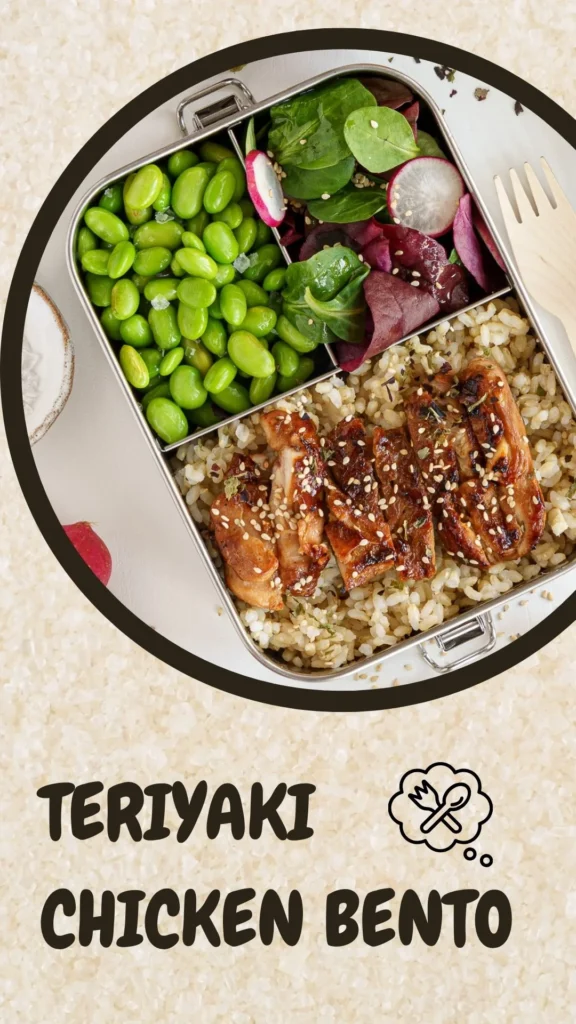
The sauce – a simple mix of soy sauce, mirin, sugar, and sake – caramelizes nicely and keeps the chicken moist even after sitting in a lunch box for a few hours.
Pack it alongside steamed rice, sautéed broccoli, and a sprinkle of sesame seeds. This one reheats well if you have access to a microwave at lunchtime, but it’s also perfectly good cold or at room temperature.
4. Sushi Roll Bento
If you enjoy sushi but don’t want to deal with raw fish safety concerns in a packed lunch, cooked or vegetarian rolls are the way to go.
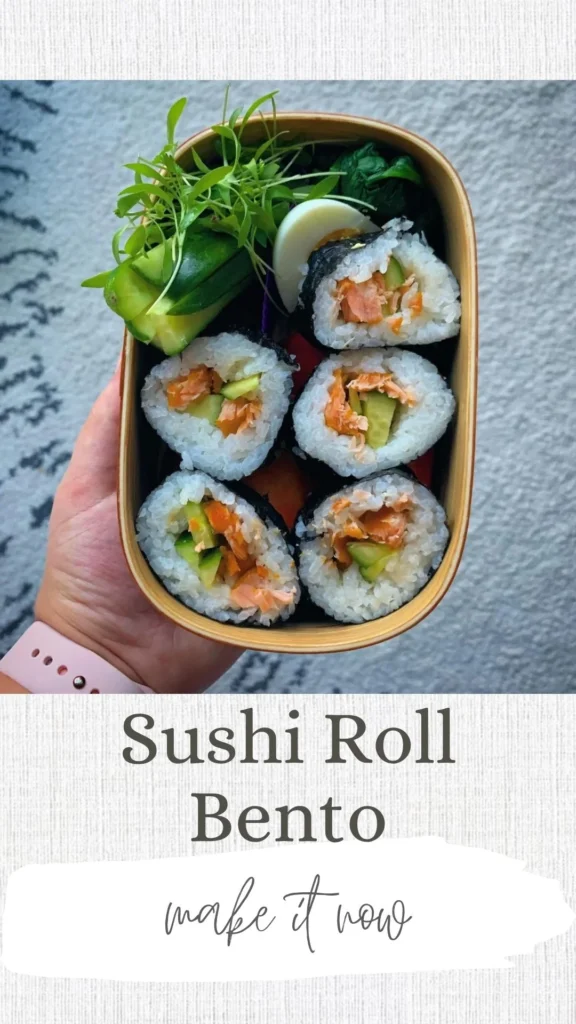
California rolls (imitation crab, avocado, cucumber) or simple cucumber rolls are both easy to make at home with a bamboo mat and a bit of practice.
Round out the box with edamame, a small mound of pickled ginger, and a little cup of soy sauce for dipping.
Sushi rolls are best eaten within a few hours of being made, since the rice can dry out or the nori can get chewy if it sits too long – so this is a good option for a same-morning pack rather than a make-ahead one.
5. Salmon Bento
Salmon is a fantastic bento protein because it holds up well cold and pairs nicely with rice.
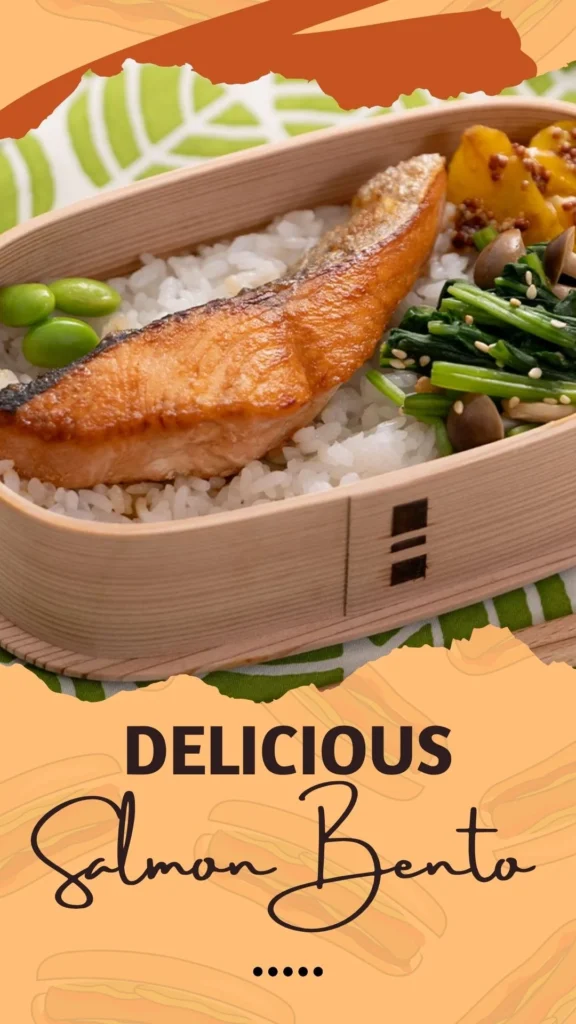
Grill or bake a fillet with a light soy-mirin glaze or simply salt and pepper, then flake or slice it over rice.
Add blanched spinach dressed with a little sesame oil and soy sauce (a dish known as horenso no goma-ae in Japanese cooking) and a few orange slices for a refreshing, slightly sweet finish.
This bento is also a good source of omega-3 fatty acids, making it a solid choice if you’re trying to work more fish into your week.
6. Yakisoba Bento
Yakisoba is stir-fried wheat noodles tossed with a slightly sweet, savory sauce, cabbage, carrots, and thin strips of pork.
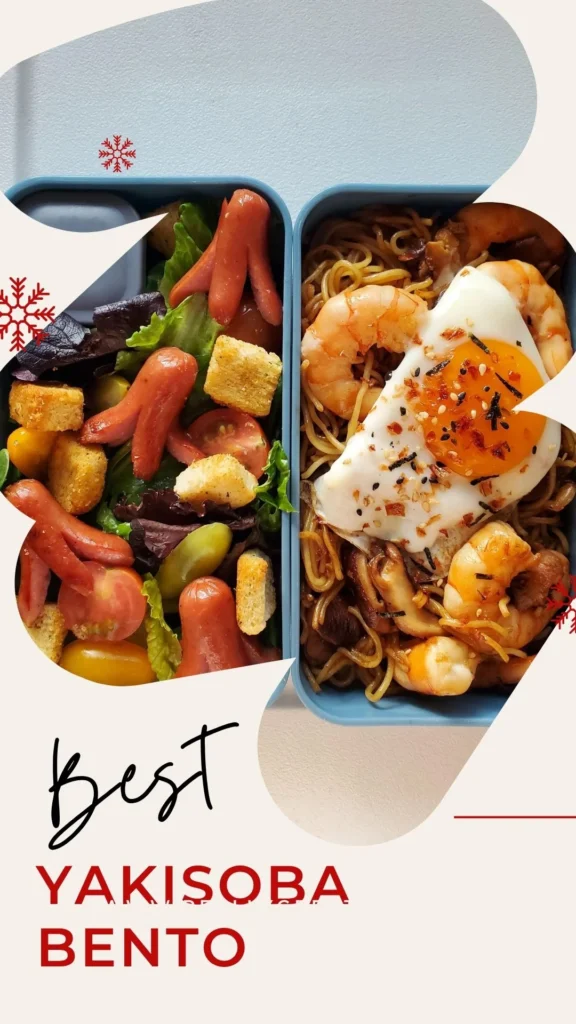
It’s a one-pan dish that reheats beautifully and travels well, since the noodles don’t get soggy the way some pasta dishes can.
Top it with a few threads of pickled red ginger (beni shoga) for a sharp, tangy contrast to the rich noodles. This is a great option when you want something a little more substantial and filling for a busy day.
Protein-Forward Bento Box Lunch Ideas
If your main goal is to keep energy and satiety high throughout the afternoon, these four ideas put protein front and center.
7. Teriyaki Tofu Bento
For a plant-based protein option that still delivers on flavor, pan-seared tofu glazed in teriyaki sauce is hard to beat.
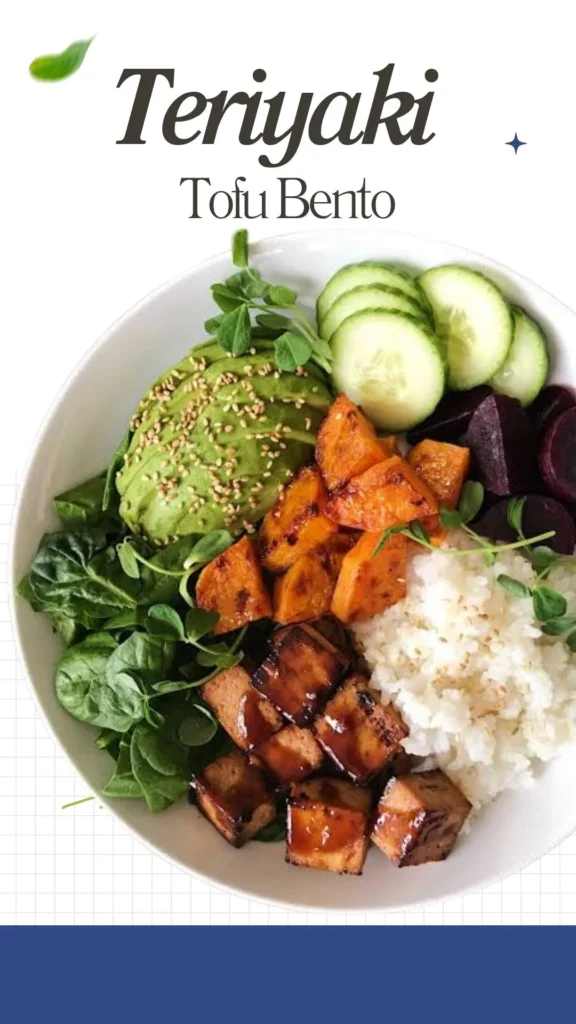
Press the tofu first to remove excess moisture, then sear it until the edges are golden before adding the sauce – this helps it hold its texture rather than turning mushy.
Serve over rice with stir-fried vegetables (bell peppers, snap peas, carrots) and a sprinkle of sesame seeds. This bento is naturally vegan and holds up well whether eaten cold or reheated.
8. Meatball Bento
Meatballs are an underrated bento protein because they’re easy to portion, freeze well, and taste good at almost any temperature.
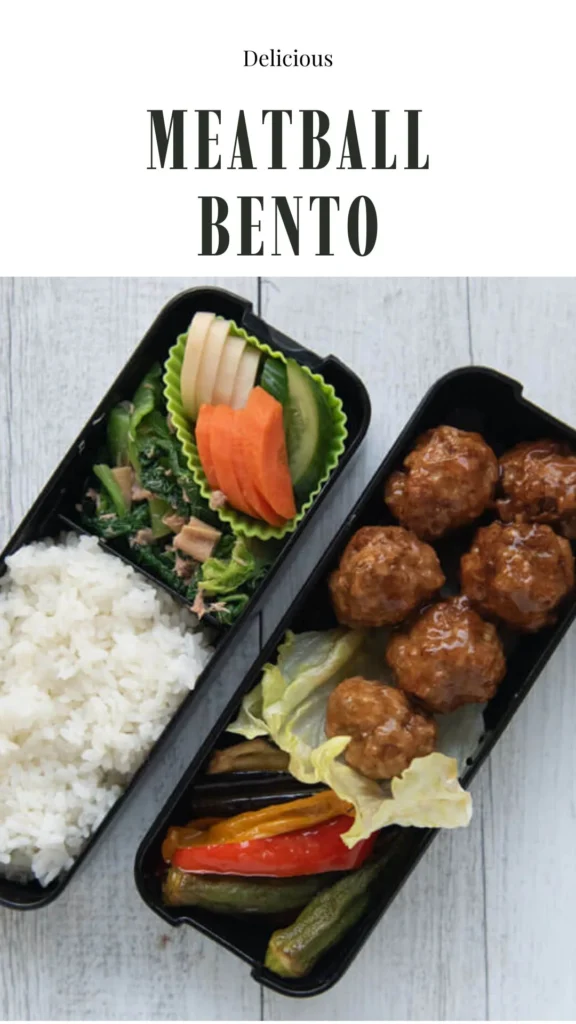
Turkey or beef meatballs work equally well here – choose whichever you prefer or have on hand.
Pair them with a light marinara sauce or a teriyaki glaze depending on the flavor direction you’re going for, along with rice or pasta and a side of steamed green beans.
This is a great bento to batch-cook on a Sunday and portion out for the whole week, since meatballs freeze and reheat exceptionally well.
9. Grilled Shrimp Bento
Shrimp cooks quickly and takes on flavor well, which makes it a convenient protein for a weekday bento.
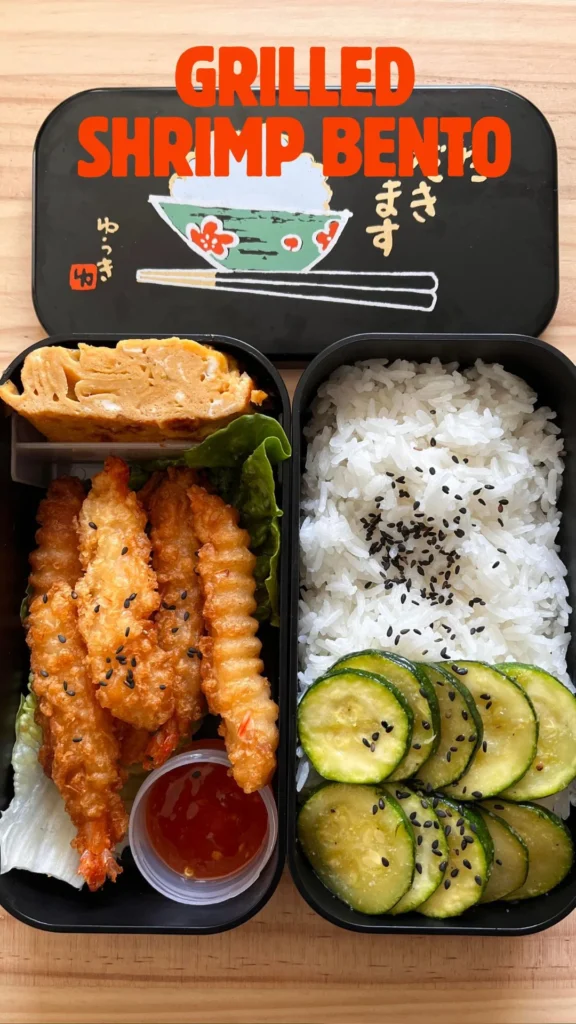
A simple lemon-garlic marinade brightens the dish without overpowering it.
Serve alongside quinoa (a nice change of pace from rice, and a complete protein in its own right) and roasted asparagus, with a few cherry tomatoes for color.
Shrimp is naturally low in calories relative to its protein content, making this a good option if you’re watching portion sizes without sacrificing flavor.
10. Egg Salad Bento
Egg salad is an easy, no-cook-required option for mornings when you’re short on time – assuming you’ve hard-boiled the eggs in advance, which you can do in batches at the start of the week.
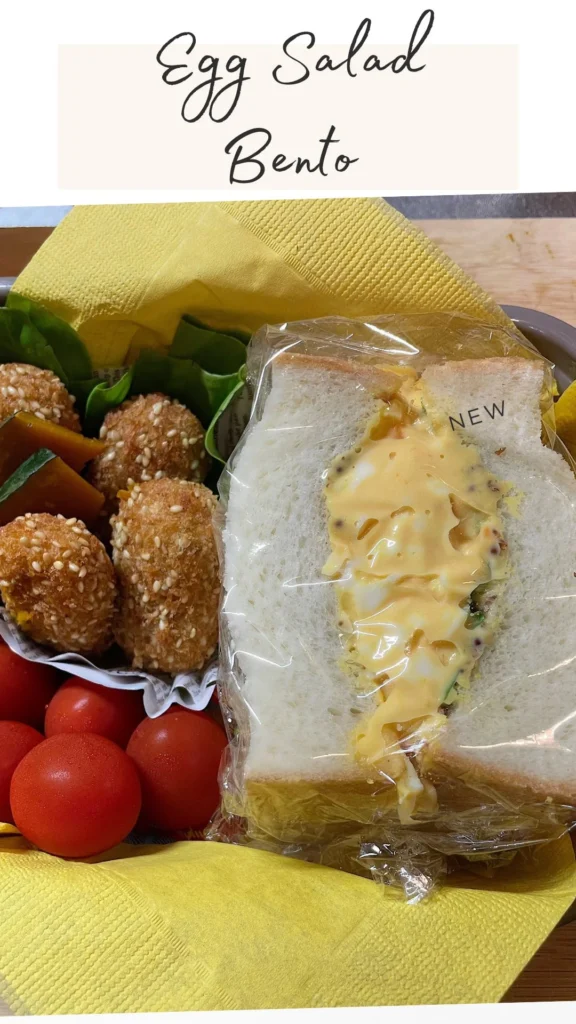
Serve it in small lettuce cups for a lighter, lower-carb presentation, or on a small piece of bread if you’d prefer something heartier.
Add cucumber slices and a handful of fruit to round things out. Because egg salad contains mayonnaise, it’s worth keeping this one well-chilled until lunchtime.
Western and Fusion Bento Box Lunch Ideas
Not every bento needs to lean Japanese – the format works just as well with familiar Western flavors.
11. Mini Sandwich Bento
Cut a turkey or ham sandwich into small squares or triangles, and suddenly it looks and feels like a bento component rather than just “lunch.”
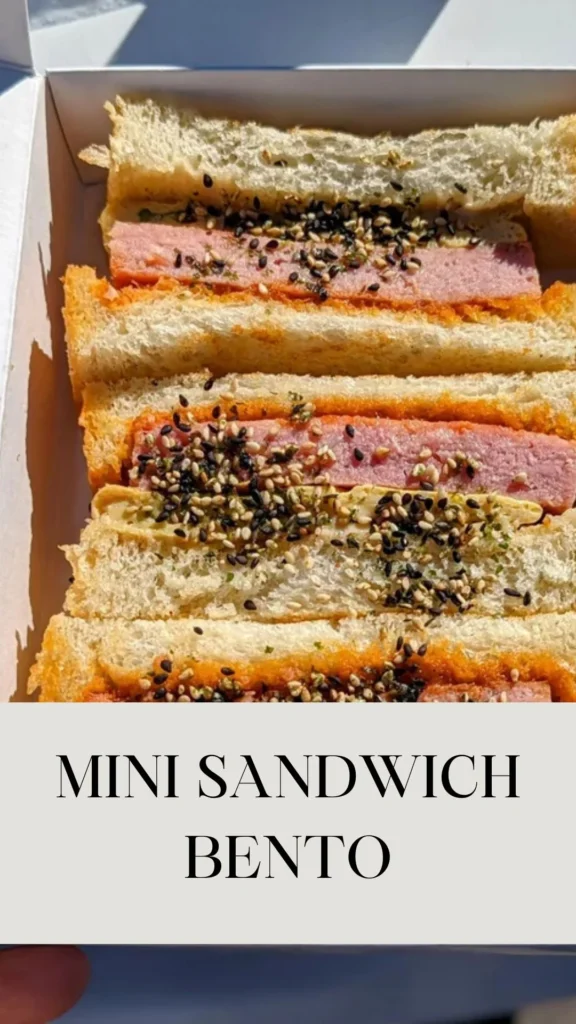
Pack it alongside carrot sticks, apple slices, and a few cubes of cheese for a simple, kid-friendly, and adult-friendly option alike.
This is one of the easiest bentos on this list to throw together with minimal cooking, which makes it a good choice for particularly busy mornings.
12. Pasta Salad Bento
A cold pasta salad made with rotini, cherry tomatoes, fresh mozzarella, and olives holds up well in a lunch box and doesn’t require reheating.
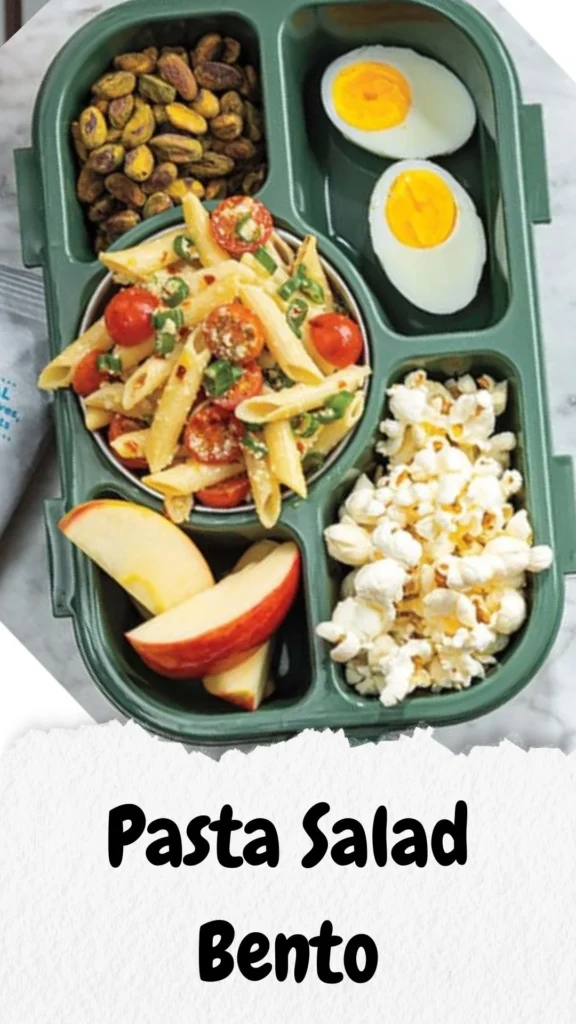
Add grilled chicken strips for extra protein, and toss the whole thing in a light olive oil and vinegar dressing rather than something cream-based, which can separate or spoil more easily without refrigeration.
13. Taco Bento
Deconstructed tacos work surprisingly well in bento form.
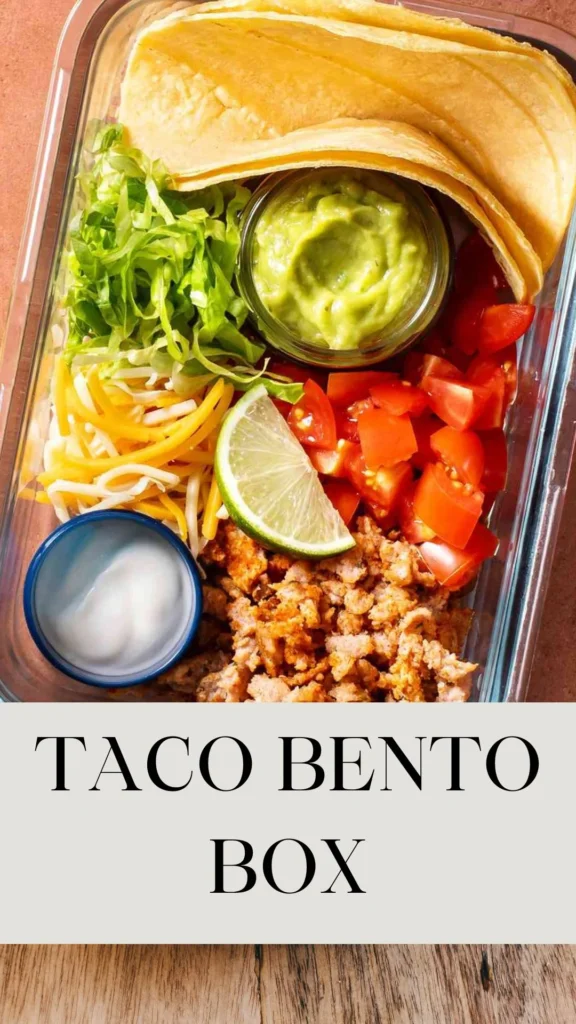
Pack seasoned ground beef or chicken in one compartment, small tortillas in another, and shredded lettuce with a small cup of salsa on the side.
This “build your own taco” approach also keeps things from getting soggy, since the components stay separate until you’re ready to eat.
14. Charcuterie-Style Bento
For a no-cook, grab-and-go option, a charcuterie-style bento can’t be beat.
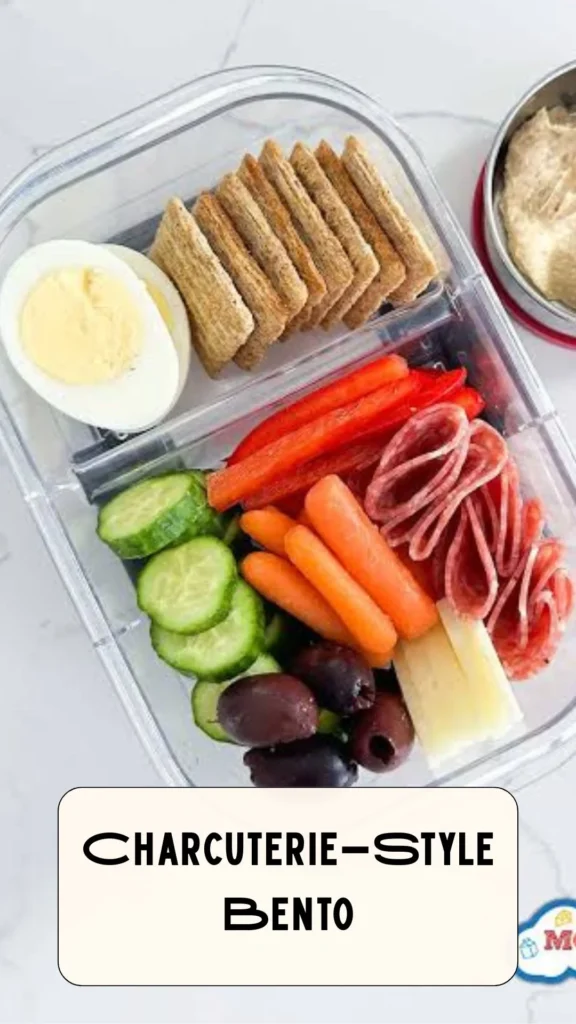
Sliced meats, cheese cubes, grapes, crackers, and a small handful of nuts create a satisfying mix of textures and flavors without requiring any cooking at all.
This is a particularly good option for days when you know you won’t have time to prep the night before, since most of the components can be bought pre-portioned.
Vegetarian and Vegan Bento Box Lunch Ideas
These three ideas are fully plant-based (or easily adapted to be), without sacrificing protein or heartiness.
15. Veggie Stir-Fry Bento
Tofu, broccoli, bell peppers, and carrots stir-fried in a light soy-ginger sauce make for a colorful, nutrient-dense bento.
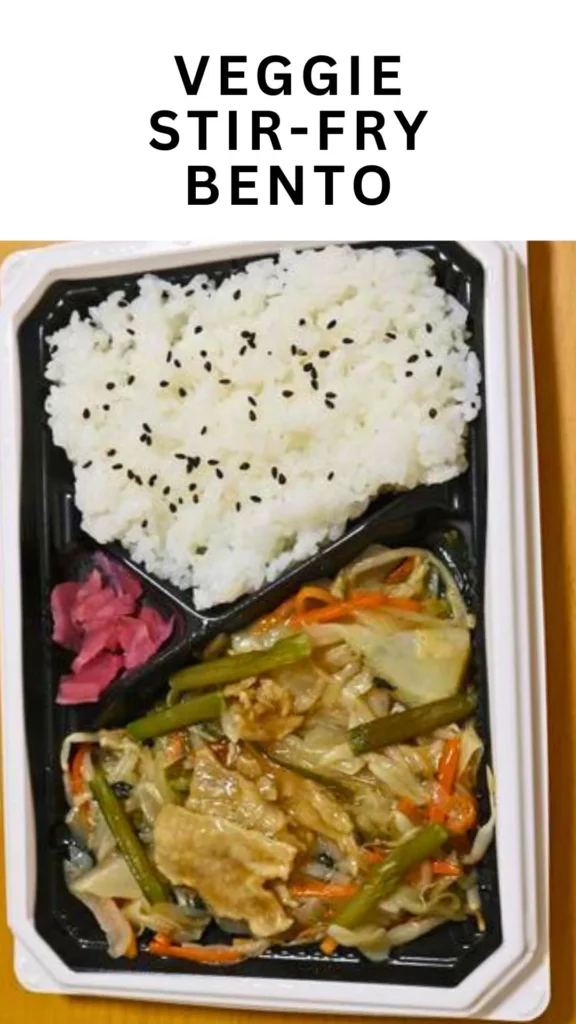
Serve over brown rice for added fiber compared to white rice, and pack extra veggies if you want to increase the volume of the meal without adding many calories.
16. Hummus and Veggie Bento
For a lighter, no-cook option, hummus paired with pita triangles, cucumber, and bell pepper strips, plus a few cherry tomatoes, makes for a satisfying midday meal.
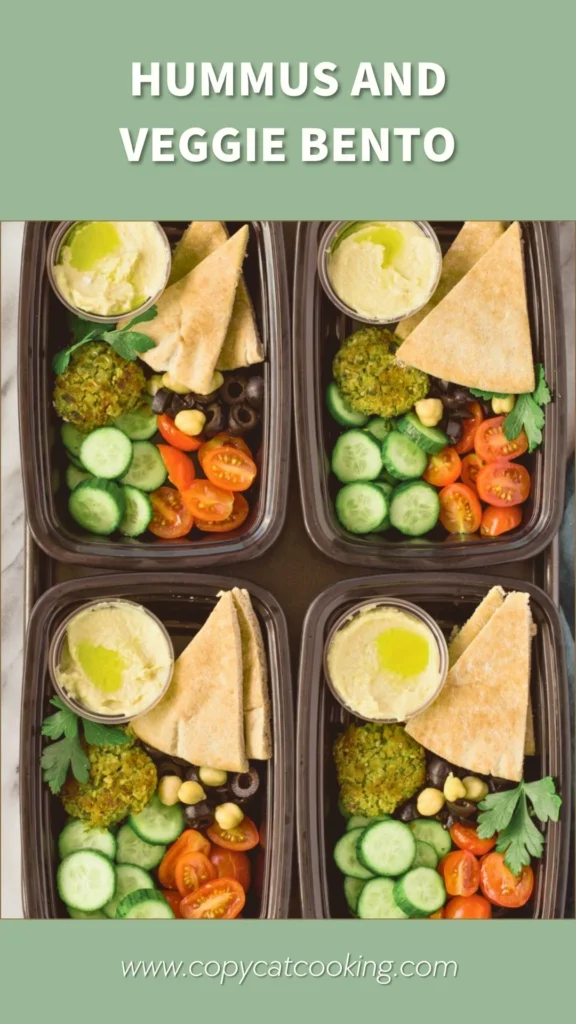
This bento is naturally vegan, doesn’t require any reheating, and holds up well for several hours without refrigeration, though it’s still best kept cool if possible.
17. Buddha Bowl Bento
Quinoa, roasted chickpeas, avocado, and shredded carrots come together nicely with a tahini dressing served on the side (to avoid the avocado browning or the salad getting soggy before lunchtime).
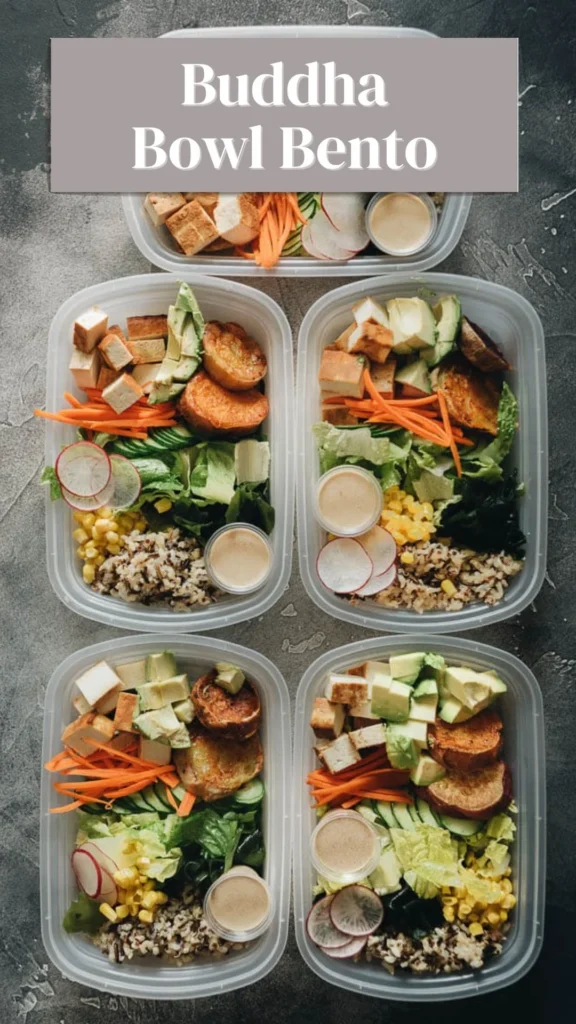
This bento is dense with fiber and plant-based protein, making it one of the more filling vegetarian options on this list.
Kid-Friendly Bento Box Lunch Ideas
18. Panda or Animal-Shaped Bento
For younger eaters, a little visual creativity goes a long way toward getting vegetables actually eaten.
Shape rice into a panda face using strips of nori for the eyes, nose, and ears. A hot dog cut and curled to resemble a small octopus is a classic, easy addition that kids tend to love.
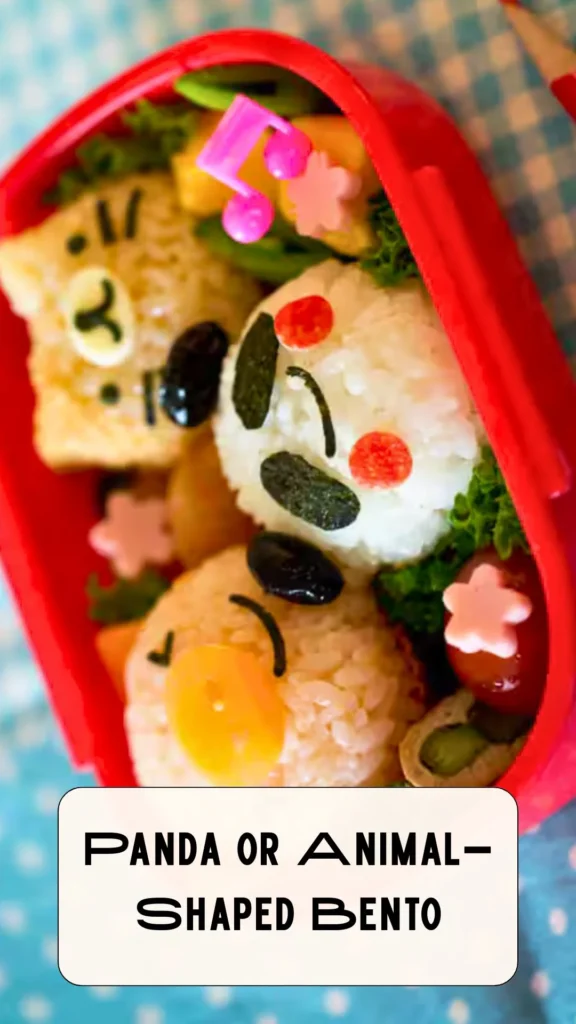
Round out the box with steamed broccoli and fruit cut into stars or other shapes using cookie cutters.
This style of bento takes a bit more hands-on time than the others on this list, but it’s a fun weekend project if you want to prep a few days’ worth of lunches at once, or a nice way to make Monday morning a little more exciting for a reluctant eater.
Food Safety Tips for Packing Bento Lunches
A beautifully arranged bento doesn’t do much good if it makes someone sick, so it’s worth taking a few practical precautions:
- Keep hot and cold foods separate where possible. If you are packing something hot, let it cool slightly before sealing the container. Sealing food while it’s still steaming traps condensation inside the box, which creates a damp environment where bacteria can grow more easily.
- Keep perishable proteins cold. Meat, egg, and seafood-based components should be kept refrigerated or packed with an ice pack if you won’t be eating within about two hours of packing. This is especially important in warmer months or if the lunch will sit at room temperature for an extended period.
- Prevent browning on cut fruit. A little lemon or lime juice tossed over sliced apples, pears, or avocado can help slow the oxidation that causes browning, keeping your bento looking fresh even a few hours after packing.
- Use separate dressings and sauces for salads. Packing dressing in a small separate container and adding it just before eating helps prevent salads and grain bowls from getting soggy.
- Wash and dry produce thoroughly. Excess moisture on vegetables can speed up spoilage inside a sealed container, so pat produce dry before packing.
Batch Prepping for Bento Success
One of the best ways to make bento-packing sustainable on a weekly basis is to batch-cook a few core components at the start of the week rather than starting from scratch every morning:
- Cook a big batch of rice or quinoa early in the week and portion it into containers, reheating or using cold as needed.
- Hard boil a dozen eggs at once for egg salad, snacking, or adding to grain bowls.
- Marinate and cook proteins in bulk – a tray of teriyaki chicken thighs or a batch of meatballs can be portioned across four or five lunches.
- Wash and chop vegetables ahead of time so that assembling each day’s bento takes only a few minutes rather than requiring fresh prep every morning.
The beauty of the bento format is its flexibility. Whether you’re drawn to the traditional Japanese approach with rice, pickles, and delicately prepared proteins, or you’d rather riff on familiar Western lunch staples like sandwiches and pasta salad, the underlying principle stays the same: a little bit of planning turns an ordinary packed lunch into something genuinely enjoyable to eat.
Start with one or two ideas from this list that sound appealing, get comfortable with the basic techniques – cooking rice properly, making a simple teriyaki glaze, portioning proteins ahead of time – and build out from there.
Before long, packing a satisfying, balanced bento lunch will feel less like a chore and more like a small daily ritual worth looking forward to.
Frequently Asked Questions
Do I need a special bento box?
Not necessarily. While traditional Japanese bento boxes with fitted compartments are widely available and make portioning easier, any container with dividers – or even a few small reusable containers packed into a larger bag – will work just fine. The goal is separation between components, not a specific brand or style of box.
How far in advance can I prep a bento?
Most cooked components (rice, proteins, cooked vegetables) can be prepped up to three or four days ahead and stored in the refrigerator, then assembled into the box the morning you plan to eat it.
Items like sushi rolls, egg salad, and anything with mayonnaise-based dressing are best made closer to the day you’ll eat them, both for food safety and for texture.
Can bento lunches be reheated?
Yes, as long as the container is microwave-safe. Rice, noodles, and most proteins reheat well. Items like sushi rolls, sandwiches, and salads are meant to be eaten cold, so it’s worth keeping those separate from anything you plan to warm up.
What if I don’t have access to a refrigerator during the day?
An insulated lunch bag with a small ice pack will keep perishable items like meat, egg, and dairy at a safe temperature for several hours. If refrigeration isn’t available at all, lean toward the shelf-stable options on this list – hummus and veggie bento, charcuterie-style bento, or a grain bowl with dressing packed separately – rather than anything that needs to stay cold for food safety.
With a little planning, packing a bento can become one of the easiest parts of your week rather than one more thing to stress about each morning.
Be sure to follow CopyCat Cooking on Pinterest and YouTube for more delicious recipe inspiration. Your support and feedback mean everything to us!